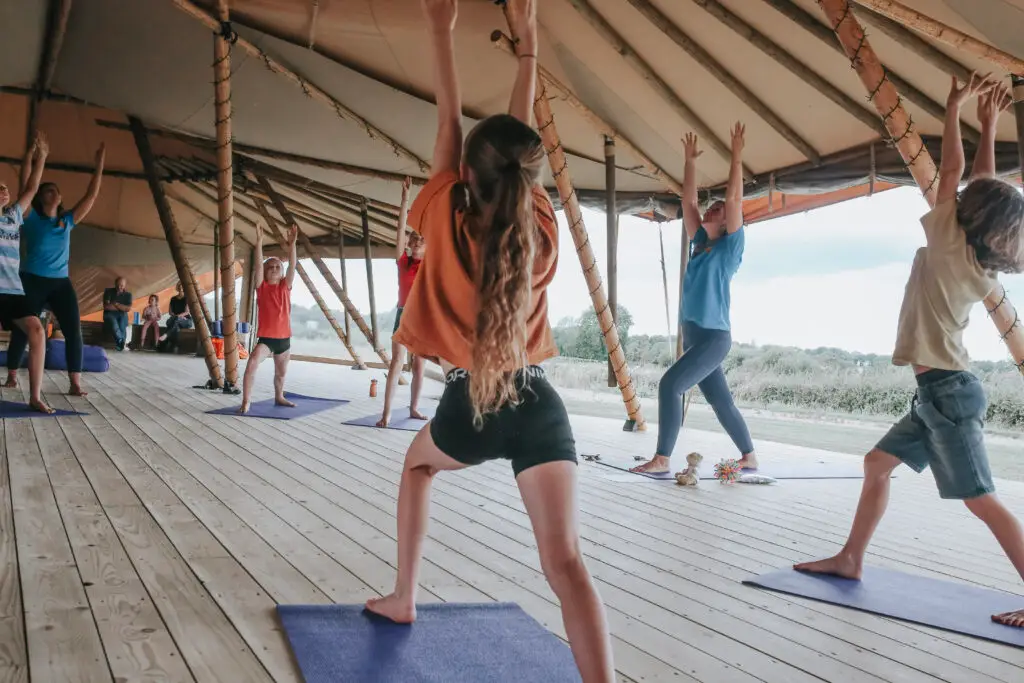
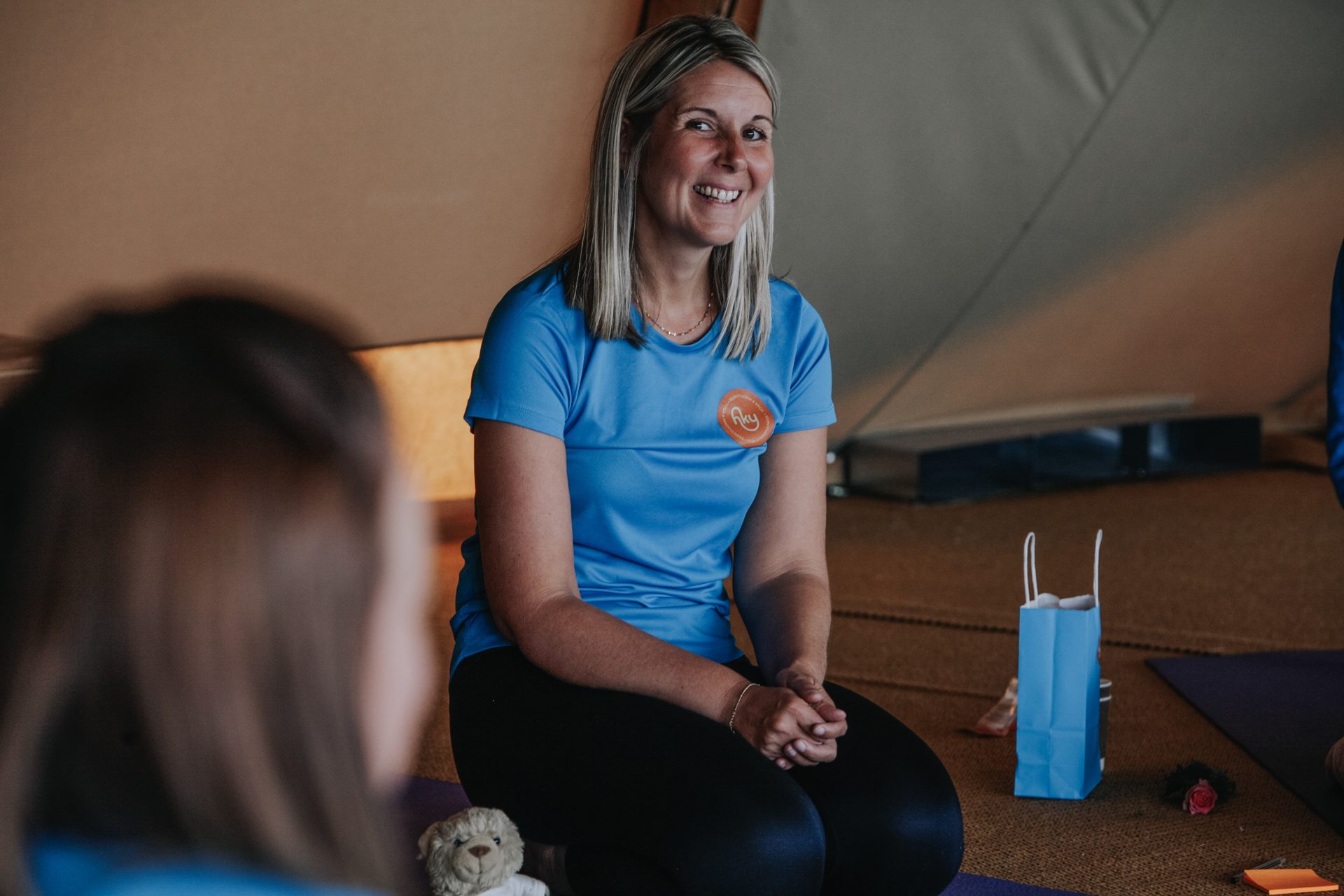
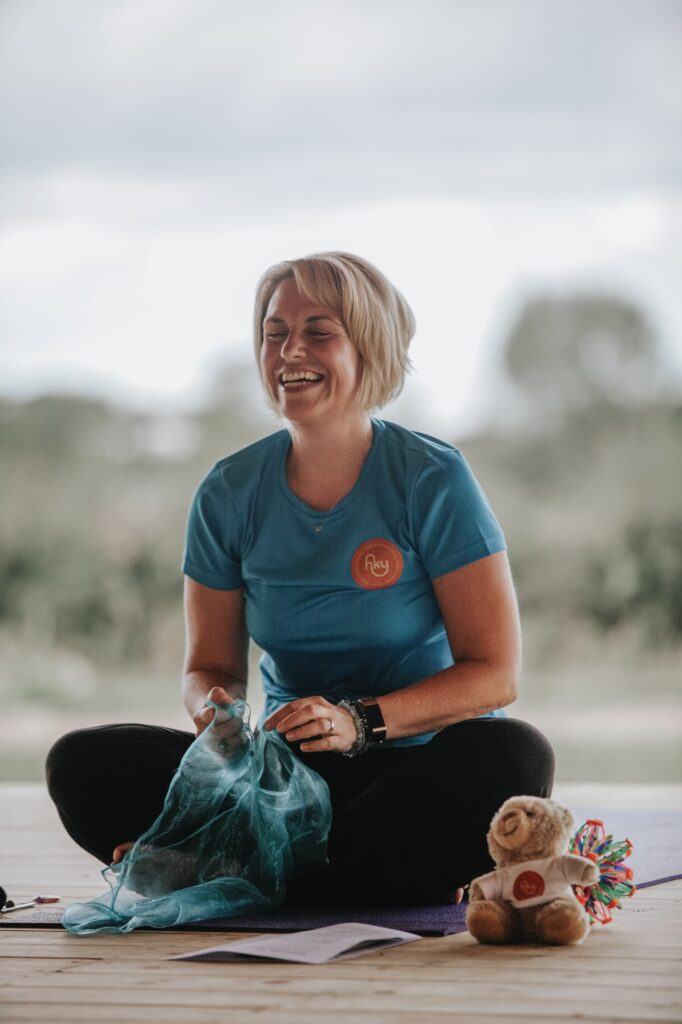
One afternoon at Bright Futures Care, where I teach yoga to children and young people with additional needs every week, I found myself without a lesson plan.
So I asked who knew The Gruffalo. One girl did. She told the whole story from memory, fox, then owl, then snake, and every time she named an animal I added the pose and the class joined in. It was a better lesson than the one I had planned.
Those afternoons have taught me more about teaching yoga than almost anything else. I wanted to share some of it.
Some of my favourite moments
- A boy told We’re Going on a Bear Hunt from memory, every part of the book in order, while the group did the actions. I had planned to show him yoga cards. He had a better idea.
- A group with no story in mind made one up together. A train set off, a penguin got on, the train grew legs and there was ice cream. Every idea became a pose.
- A pupil who doesn’t use speech joined in with every pose.
- A college student went home and taught his mum bee breath, and she emailed the school to tell them.
- One young person stayed in his chair for relaxation instead of lying down, and relaxed.
None of those were in my plan.
Yoga in a squash court
In November we also spent two days at the Ability Days at Orford Jubilee Neighbourhood Hub, teaching primary school children with special educational needs from across Warrington. Our yoga space was a squash court. It was very bright, and not nearly as echoey as I expected.
We did our Happy Yoga Flow, danced with coloured scarves, picked yoga cards, balanced bean bags on our heads in tree pose and passed round the breathing ball so everybody got one big breath.
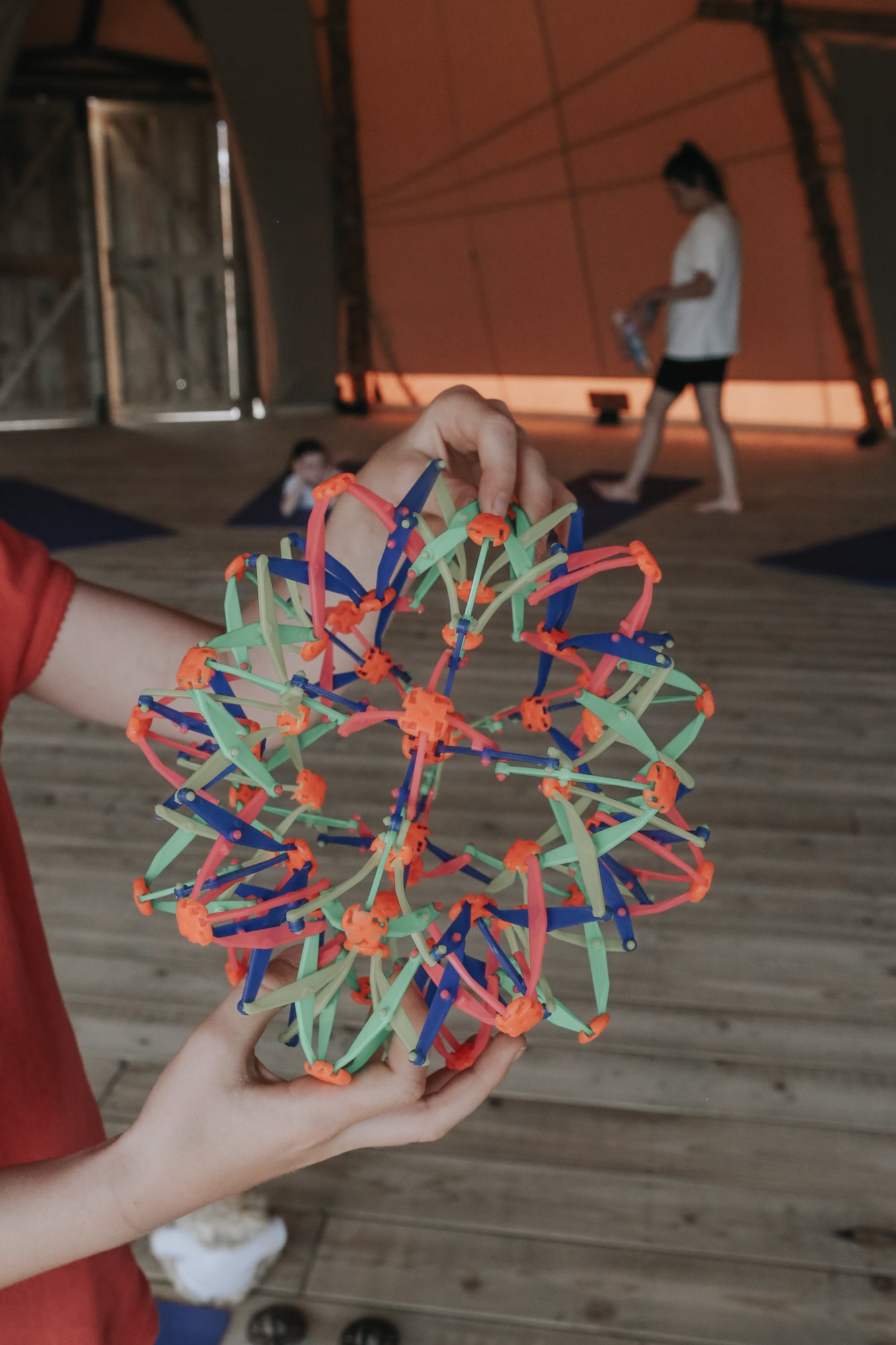
In one session a little boy took another little boy’s beanbag. You could see the second boy was getting upset. But we had just been practising bee breath, where you make a humming sound with your breath. He stopped, and I watched him take a breath in. Then he walked over, asked for his beanbag back, and the other boy gave it to him.
“All of the children loved Yoga!”
Lauren Pender, Warrington School Sports Partnership
What I have learned
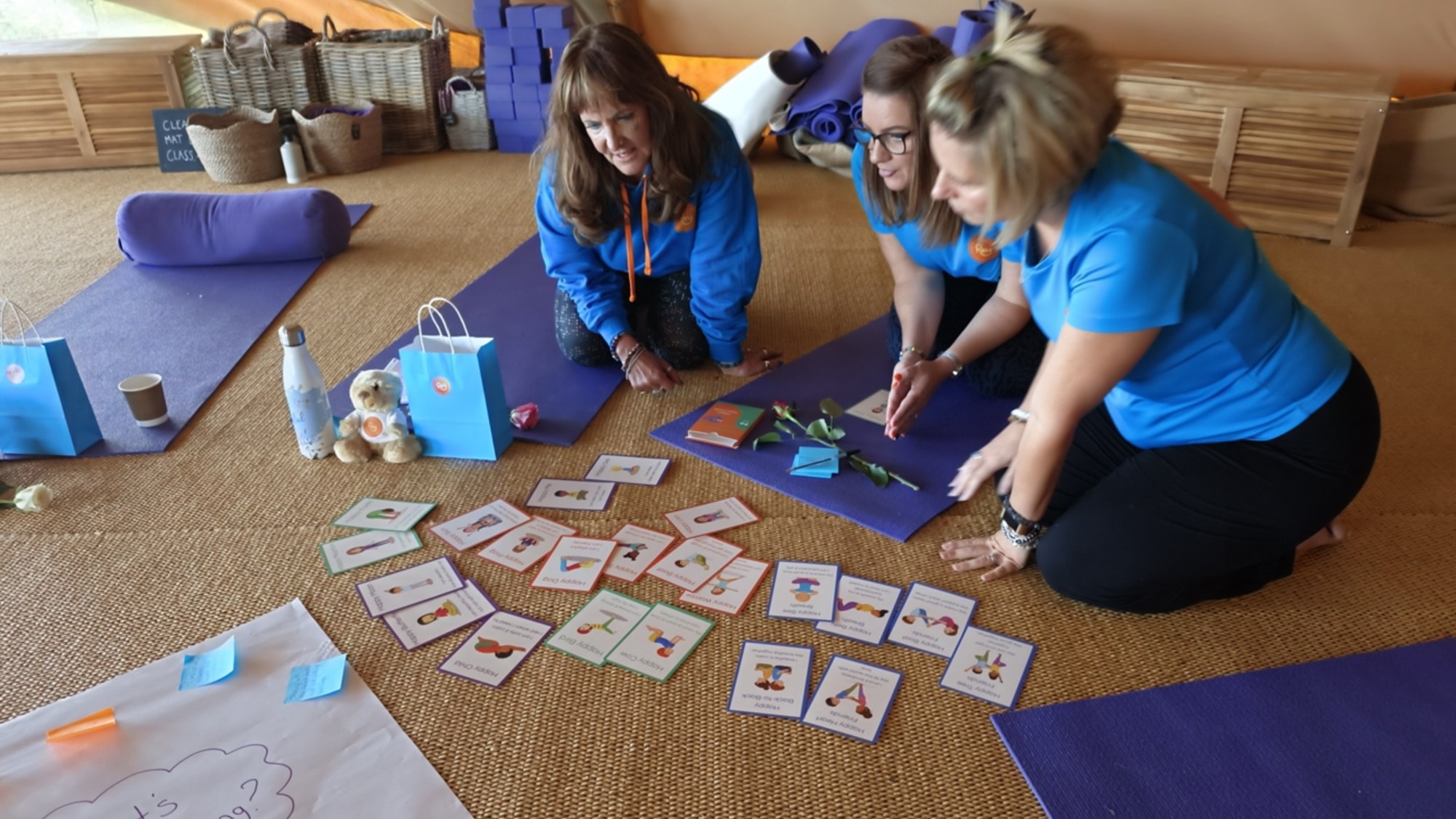
- Same start, same end. We always begin with our Happy Yoga Flow and always finish the same way. Everything in the middle can change. Knowing what is coming helps children feel safe.
- Say less and show more. One instruction, then show it.
- Offer a choice. “Tree or star?” is much easier to answer than “What pose shall we do?”
- Wait. I count to ten in my head before I say anything else. The silence feels much longer to me than it does to the child.
- Any answer counts. A look, a reach, a sound or a sign are all ways of joining in.
- Stories they already know work best. The Three Little Pigs, Bear Hunt, The Gruffalo. Often the children will tell it for you.
- Everything is offered, never insisted on. The scarf one child loves is too much for the next.
- School staff are always with us. They know the children, so we follow their lead.
A good session
A good session isn’t everybody doing every pose. It might be one child joining in for the first time, or a group staying on their mats, or a story that goes somewhere I never expected.
“Our weekly yoga sessions with Jen have been absolutely fantastic for our SEND students. She is incredibly patient, kind and knows exactly how to keep the kids engaged. The students look forward to her class every week and the benefits are unmeasurable! Highly recommend!!”
Alicia Highton, Headteacher, Willow Tree Park School, Bright Futures Care
Small-group SEN yoga in schools
We run small-group SEN yoga and mindfulness sessions in schools here in Warrington. They are gentle, they are adapted to the children in the group, and school staff are in the room with us. Children take part at their own pace. Schools can try a short block first or have us in regularly.
If you would like to talk about sessions for your school, get in touch.